What Makes Glaucoma So Dangerous?
World Glaucoma Week, March 9–15 — Uniting for a Glaucoma‑Free World
Glaucoma is often called the silent thief of sight because it damages vision quietly, without pain, and without early warning signs. It affects the optic nerve, the delicate pathway that carries visual signals from the eye to the brain. When pressure inside the eye increases or when the optic nerve becomes weak, this damage begins — slowly, silently, and permanently.
Most people don’t realise they have glaucoma until a large part of their vision is already gone. And once that vision is lost, it cannot be restored.
This is why World Glaucoma Week (March 9–15) is so important. It reminds us that awareness and early detection are the strongest tools we have to protect our sight.
Why Early Detection Matters So Much
Dr. Kavita Rao, Eye Surgeon at Hinduja Hospital, Khar West, explains that glaucoma progresses quietly because the brain adapts to early blind spots. By the time symptoms appear, the disease is often in an advanced stage.
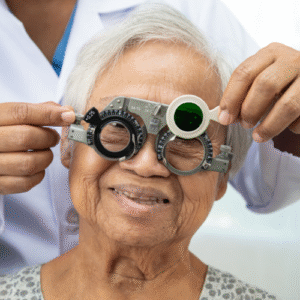
A simple, painless eye examination can detect glaucoma years before symptoms begin. This early diagnosis can slow or stop further damage — preserving the vision you rely on every day.
Who Is at Higher Risk?
Anyone can develop glaucoma, but the risk increases if you:
- Have a family history of glaucoma
- Are over 40
- Have diabetes or high blood pressure
- Use long‑term steroid medications
- Have had an eye injury
If any of these apply, regular eye check‑ups become even more important.
Simple Habits That Help Protect Your Eyes
- Get Regular Comprehensive Eye Check‑Ups
This is the most important step. A yearly exam can detect glaucoma early, especially if you have risk factors or a family history.
- Exercise Safely and Regularly
Moderate physical activity helps improve blood flow and may help lower eye pressure naturally.
- Protect Your Eyes From Injury
Use protective eyewear during sports, home repairs, or any activity where the eyes may be at risk. Injuries can increase glaucoma risk later in life.
- Maintain a Healthy Lifestyle
A balanced diet, good hydration, and avoiding smoking support long‑term eye health.
- Use Prescribed Eye Drops Consistently
For those already diagnosed, glaucoma drops are essential. They help control eye pressure and slow disease progression — but only when used regularly.
Glaucoma Cannot Be Reversed — But It Can Be Controlled
Glaucoma is a lifelong condition, but with timely diagnosis and proper treatment, most people can protect their remaining vision and continue living comfortably. The key is not waiting for symptoms.
At Hinduja Hospital, Khar West, Dr. Kavita Rao and the eye care team are committed to spreading awareness and helping Mumbai move toward a glaucoma‑free future.
Taking care of your eyes today protects your independence, confidence, and quality of life tomorrow.